After the Hooter: The Night Classes That Built Rotherham’s Pit Villages
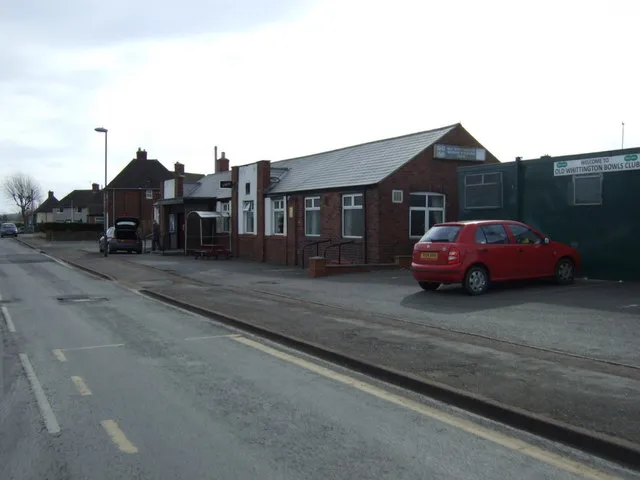
Photo: JThomas , CC BY-SA 2.0, via Wikimedia Commons
Rotherham’s pit villages are often remembered through shifts, strikes and slag heaps. Less often through homework. Yet in the middle decades of the twentieth century, the miners’ welfare halls and institutes dotted around the borough were doing something quietly remarkable: teaching adults economics, first aid, music and public speaking after a full day underground.
For many families, the welfare hall was where the pit village learned to argue, to organise, to play and to look after itself. The archive syllabuses are dry at first glance — a list of lectures here, a class timetable there — but read them alongside oral histories and they start to sound like a town talking to itself.
The second shift at the welfare hall
A miner’s day did not end when the cage came up. There was the walk home, the wash, tea, maybe a look at the kids before bedtime. Then, for some, there was night school. The classes were often run through the miners’ welfare movement, local institutes and adult education bodies, and they were practical in a way that makes much modern training look fussy.
One oral history recollection from a pit-village resident describes a room that smelled of coke smoke and chalk, with men in shirtsleeves and women from the village sitting on stacking chairs. The class might be first aid one week and trade union history the next. It was not university extension in any grand sense. It was neighbours learning together because the hall was there, the lights were on and the fee was small.
That mattered. In villages where the pit was the main employer and the school leaving age was low, adult classes gave people a second go at subjects they had missed. They also gave them a place to meet outside work and chapel. Learning was the excuse; company was part of the point.
What was on the blackboard
The syllabus subjects tell their own story. Economics classes helped miners and their families understand wages, prices and the wider forces that seemed to decide their lives. First aid was not abstract — pit work was dangerous, and homes were often a long way from a doctor. Public speaking gave people confidence for union meetings, co-op committees and chapel debates. Music classes fed the brass bands and choirs that were already part of village life.
There were also the less obvious classes: local history, gardening, dressmaking, bookkeeping, photography. Some welfare halls ran libraries and reading rooms. Others hosted lectures on current affairs. The mix varied from place to place, but the principle was similar. Adult education was not a luxury bolted on to pit-village life. It was part of the infrastructure, like the allotment or the welfare ground.
Archive timetables often show classes squeezed into evenings and weekends, timed around shifts. That detail is worth pausing on. The people running these courses understood that learning had to fit real lives. A class that clashed with the afternoon shift was no class at all.
Learning as social glue
Miners’ welfare classes did more than fill heads. They built what community educators today might call social capital, though the people attending would probably have called it having a bit of craic and getting out of the house. Women’s sections, discussion groups and music evenings gave people roles beyond the pit and the kitchen.
The oral histories are full of small details: the teacher who brought in a wireless to explain the news, the first aid demonstration that ended with a volunteer bandaged like a mummy, the debate society that argued about everything from pit safety to football. These are not grand moments, but they are the sort of moments that hold a place together.
They also show how learning crossed generations. A young lad fresh from school might sit next to a retired miner who had been at the pit since he was fourteen. A mother might bring a neighbour who had never been in a classroom since childhood. The welfare hall made room for all of them.
What today’s community educators can borrow
Look at the old syllabuses in 2026 and some lessons stand out for anyone running community learning now. Keep it local. Keep it cheap. Keep it social. Put it on at a time people can actually manage. Make it practical, but do not be afraid of ideas.
The miners’ welfare classes were not perfect. Attendance could be patchy, funding was always a worry, and not every village had the same opportunities. But the model had a stubborn logic: education belongs where people live, not where it is convenient for institutions to provide it.
That is why these classes still matter to Rotherham’s story. They show a town learning after the shift, in rooms that smelled of chalk and coke smoke, with no fuss and no fanfare. The hooter has gone. The lesson has not.