Small Bottles, Sharp Combs: The Quiet Rituals of Rotherham’s School Health Service
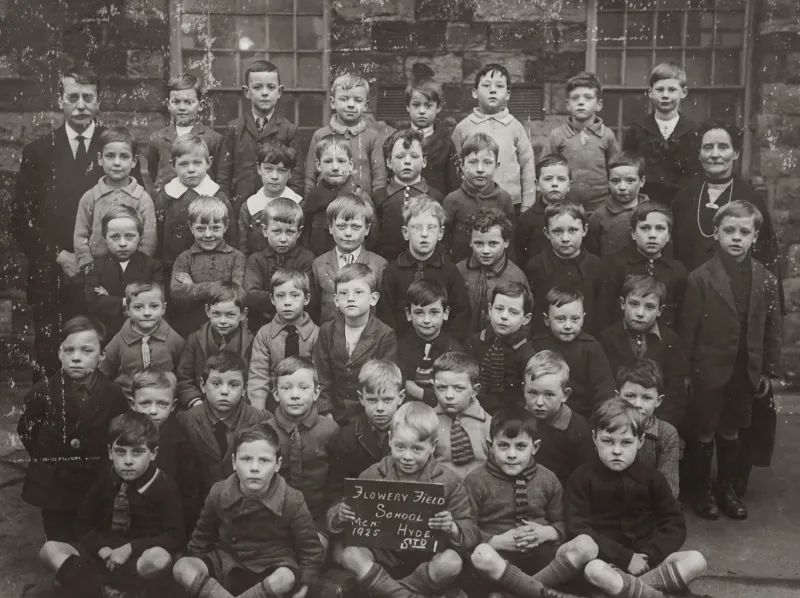
There are school memories that arrive before the lessons do. The clatter of dinner trays. The smell of floor polish. And, for plenty of Rotherham folk of a certain age, the sight of a nurse in a stiff white apron, a little tin of combs at the ready, working her way along a row of desks.
School health records can look dry at first glance: registers, cards, forms, letters. But open one and the classroom comes back. You find the child who was sent home with a note, the family who needed spectacles but could not afford the frames, the dental clinic appointment that meant a morning off lessons and a long walk to the clinic. These are not grand historical documents. They are small, human ones — and they map care, poverty and ordinary school life in Rotherham rather better than a formal history might.
The nurse at the classroom door
School medical inspections were not designed to be dramatic. They were routines: height, weight, eyes, ears, teeth, hair, a quick look at throat and chest. In many schools the visit was annual, or close enough that pupils learned the rhythm. The nit nurse — proper title, school nurse or health visitor, depending on the era — was part of that rhythm too. The comb and the brown paper envelope are remembered with a mixture of embarrassment and affection, often in the same sentence.
What the records show, though, is that these visits were never only about head lice. They were a window onto housing, diet and income. A child repeatedly absent for dental appointments might live too far from the clinic or have parents working shifts. A note about poor footwear in winter says as much about wages as about shoes. In Rotherham, where pit villages and steelworks shaped family timetables, the school health service often found itself doing quietly practical work: referring families onward, nudging, following up, keeping an eye.
Milk tickets and the small economics of care
Free school milk is one of those memories that divides people. Some recall the little third-pint bottles warming by the radiator and the smell that put them off for life. Others remember it as a genuine help — a bit of nourishment in a day that might not have had much else. The milk ticket, the register tick, the crate by the door: these were administrative details with real consequences.
For family historians, milk records can be unexpectedly useful. They can place a child in a particular class at a particular time. They can hint at absences, or at the school’s own arrangements during cold spells and holidays. They rarely tell you what a child felt. That is where oral history comes in. A recorded memory of queuing for milk, or of being told to drink it quickly before it turned, can fill in the human texture that a register never will.
What the archive actually holds
Rotherham Archives and Local Studies, and the borough’s school collections, hold a patchwork of material rather than one neat series. You might find medical inspection registers, dental treatment cards, letters to parents, school logbook entries about outbreaks of measles or ringworm, and occasional photographs of clinics or school nurses. Some schools kept meticulous records. Others kept very little. That unevenness is part of the story: record-keeping depended on staff time, storage and the priorities of the day.
School logbooks are especially good for context. Headteachers noted closures for illness, visits from the medical officer, and the practical fallout of bad weather or epidemics. They also recorded the small things that made health work possible: a room cleared for inspections, a queue organised, a child sent home with a note. Read alongside oral histories, those entries turn a bare date into a scene.
A clear-eyed look at care
It would be easy to make this purely nostalgic. The comb, the milk bottle, the dental card — they can be made to sound quaint. But the records also show inequality. Some children came to school hungry. Some had untreated teeth. Some families struggled with the cost of glasses or the time off work for appointments. The school health service was not a cure for poverty. It was a patch, a nudge, a way of noticing. That deserves to be remembered honestly, not just fondly.
Teachers and families using these records today can learn a lot about how schools have supported children in Rotherham over the decades. They can also ask useful questions. Who was being checked, and why? What happened after a referral? Which families were assumed to cope, and which were followed up? The answers are rarely simple, but they are worth looking for.
Bringing the records back into the classroom
For schools, a local health record can be a brilliant starting point for history work. Pupils can compare a 1950s medical card with a modern health questionnaire. They can map the route to an old dental clinic, or use a school logbook to build a timeline of a measles outbreak. They can interview grandparents about milk, nit combs and school dinners, then compare those memories with what the archive actually says. That gap between memory and record is often the most interesting lesson of all.
For families, the practical advice is simple: ask. If you know which school your parent or grandparent attended, check whether any records survive. Look for school logbooks, clinic cards, attendance registers and photographs. Be prepared for gaps — and be prepared for small shocks. A note about a child’s teeth or shoes can land differently when it is your own family.
The comb in the drawer
The nit nurse’s comb and the milk ticket are not grand objects. They are the sort of thing that ends up at the back of a drawer, or in a box of school papers nobody quite knows what to do with. But they carry a quiet record of how Rotherham looked after its children, and how children experienced that care. In 2026, as schools think again about health, wellbeing and family support, those old routines feel less distant than they should. The forms have changed. The need to notice has not.