The Larder at the Bottom of the Garden: Rotherham’s Wartime Allotment Lessons
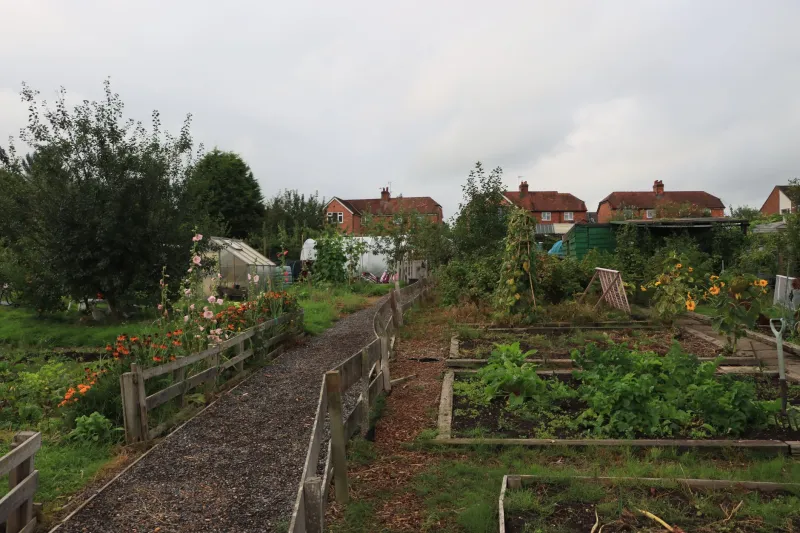
Walk past a row of allotments on a Sunday morning in Rotherham and you will hear the familiar sounds: a spade scraping stone, a kettle clicking on in a shed, someone debating the price of onion sets. It feels ordinary. Yet those small patches carry a much bigger story about how the town fed itself, learned together and made do when the shelves were thin.
During the wartime years, allotments moved from the edge of everyday life to the centre of it. The national Dig for Victory campaign is the headline most of us know, but the local story is quieter and more interesting. It lives in allotment minute books, in dog-eared food leaflets, in school logbooks and in oral history recordings where people recall a childhood measured out in rows of carrots and potatoes.
A plot with a queue outside
Rotherham’s terraced streets rarely came with room for a full vegetable garden. That did not stop people. Back yards were pressed into service, and any spare strip of land seemed to attract a fork and a determined neighbour. Allotment societies became small civic institutions, with chairmen, treasurers, seed orders and the sort of rules that could fill a noticeboard.
What comes through in the records is not just scarcity but organisation. Plots were measured, rents collected, manure arranged and water butt etiquette argued over. Minute books from local societies often read like a mixture of parish council and family argument: a request for a new hedge here, a complaint about a broken gate there, a vote of thanks to someone who had managed the seed order again.
For families, the plot was a larder at the bottom of the garden. It was also a timetable. Someone had to dig, sow, thin, weed and water, and children were rarely allowed to forget it. In oral histories, the memory of wartime growing often arrives sideways — not as a grand patriotic tale, but as a detail: being sent down the plot with a message, carrying home a cabbage in a cloth bag, or watching a father save seed from one year to the next.
What the minute books let slip
The formal records are modest, but they hint at a larger social world. Seed swaps were not simply thrifty; they were a way of sharing knowledge. A neighbour who could grow good leeks was worth listening to. A family with a glut of runner beans had something better than money — they had something to swap.
Allotment societies also had to manage the awkward bits of community life. There were disputes over boundaries, complaints about neglected plots and debates about who should get the next vacancy. In wartime, those questions carried extra weight. A plot left untended was not just untidy; it was food not grown. The pressure to use every inch could be intense, but the records also show plenty of practical kindness: tools lent, seeds passed on, a hand given when illness or shift work made a plot impossible to keep on top of.
This is where local archives earn their keep. A leaflet about potato planting, a society balance sheet, a handwritten list of members — none of it looks dramatic on its own. Put it together with an oral history and the allotment becomes a classroom in patience, planning and neighbourliness.
School gardens and the lessons that grew
Schools were part of the wartime growing effort too. School garden projects gave children something that no textbook could quite match: a patch of soil, a packet of seeds and the slow consequence of doing the job properly. Teachers used the garden for arithmetic, nature study and practical instruction, but the hidden curriculum was just as important. Children learned that food did not begin in a shop, that weather could undo a week of work, and that a shared harvest needed fair dealing.
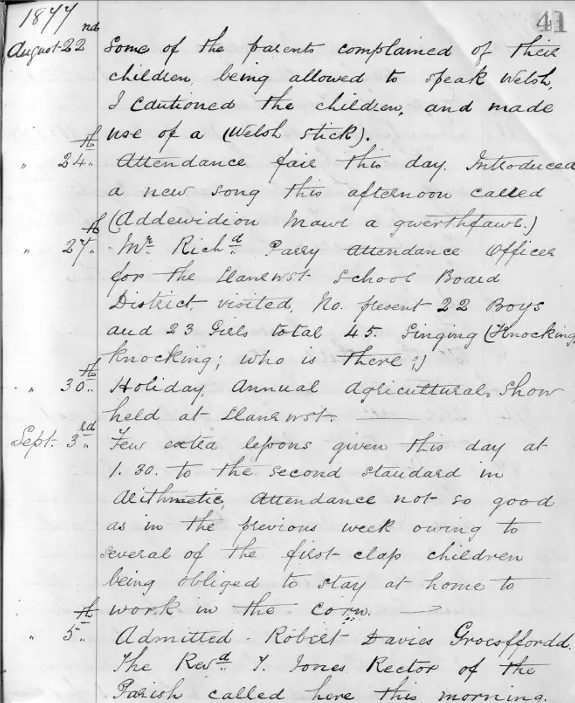
Rotherham’s school logbooks and local education records often capture the rhythm of this work in a few plain lines: ground prepared, seeds sown, produce lifted, parents thanked. The entries can seem small, but they place gardening firmly within community education. The patch was not a sideline to learning. It was a place where learning was useful.
Seed-saving was part of that lesson. It encouraged forward planning and a kind of practical thrift that families understood instinctively. It also created a link between generations. A child who helped dry beans for next year’s sowing was taking part in a cycle older than the war itself.
After the hooter, the plot stayed
When the fighting ended, wartime enthusiasm did not simply vanish. Some plots were given up, some were kept on, and many families found that the habit had taken root. Allotments continued to offer fresh food, exercise and company. For returning servicemen and for households adjusting to post-war life, the plot could be a steadying place.
The years that followed also brought change: new housing, shifting work patterns and the usual pressures on land. Yet the allotment movement in Rotherham survived, often through the stubborn work of site secretaries and long-standing tenants. The sheds may have changed, and the seed catalogues certainly have, but the basic appeal remains.
What 2026 growers can still learn
Today’s community growers are part of a different conversation. In 2026, allotments are as likely to be valued for wellbeing, wildlife and fresh air as for economy. Waiting lists can be long, and plots are sometimes small, shared or temporary. Community gardens and school growing projects carry the same spirit into new settings.
But the old records still have something to say. They remind us that a growing space works best when it is organised, generous and open to learners. They show that seed-saving is not just a craft but a way of sharing knowledge. And they suggest that the most important tool on any plot may be the conversations held over the fence.
So next time you pass an allotment gate, look for the signs of a long local story: the water butt, the seed box, the notice asking for volunteers. Rotherham’s wartime growers left more than vegetables behind. They left a lesson in how small patches, patiently tended, can feed a town and teach it something too.