Penny Counter Chronicles: Rotherham’s Corner Shops Remembered
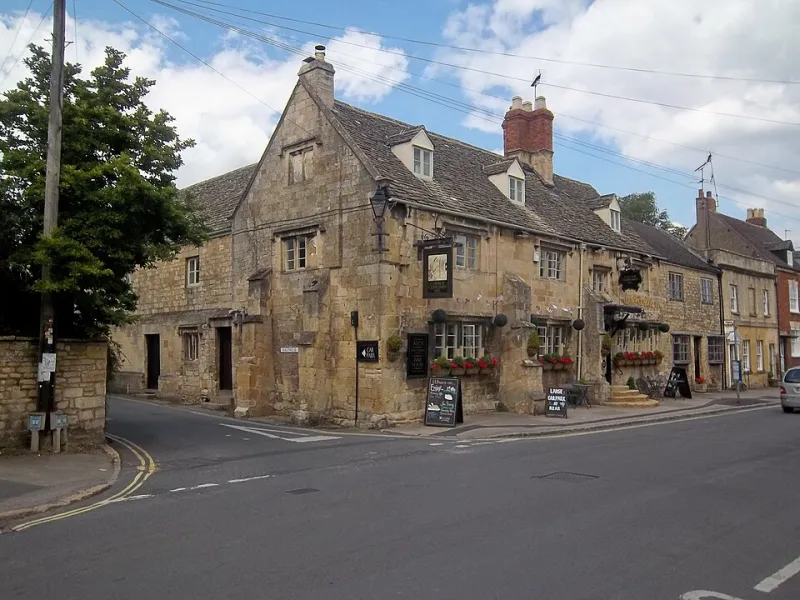
Photo: Michael Dibb , CC BY-SA 2.0, via Wikimedia Commons
There is a particular sound that people remember from Rotherham’s old corner shops. It is not the till, and it is not the chatter. It is the bell above the door. A small, sharp jingle that announced a customer, a neighbour, a child sent for a loaf, or someone who had simply come in for a chat. In oral history recordings held around the borough, former shopkeepers and customers return to that sound again and again. It opens the door to a lost world of penny sweets, paraffin, loose biscuits and delivery rounds that once connected whole streets.
The Shop That Knew Everyone
Corner shops were not simply businesses. They were social hubs, especially in the years before supermarkets and car ownership changed shopping habits. In areas such as Eastwood, Masbrough, Greasbrough, Kimberworth, Wath, Maltby, Bramley and Swinton, the local shop was often the first place people went in the morning and the last place they passed at night. Shopkeepers knew who was ill, who had a new baby, who was waiting for a delivery and who needed a bit of credit until Friday.
Oral histories capture that knowledge in vivid detail. Former customers describe the shopkeeper reaching for a bag of sugar before being asked, or saving the last loaf for someone who could not get out. Former shopkeepers describe long hours, early starts and the constant juggling of stock. The relationship was practical, but it was also personal. In a street of rented houses and shared entries, the shop was one of the few places where private lives and public conversation met.
Sweets, Paraffin and the Weekly Round
The stock in these shops was a reminder of how ordinary life worked. There were jars of penny sweets: aniseed balls, sherbet lemons, black bullets, lucky tatties and endless variations on toffee. There were loose biscuits, weighed out from a tin. There were tins of peas, bags of flour, candles, batteries and bottles of pop. Paraffin was sold for heaters and lamps, and the smell of it lingers in many memories.
Delivery rounds were a lifeline. Shopkeepers or their children would carry boxes to older customers, sometimes taking orders in person and returning later with groceries. In some shops, a credit book or ‘tick’ book recorded what families owed. That system could be a source of embarrassment, but it was also a form of trust. Oral history recordings show how carefully shopkeepers managed it, knowing which families were good for the money and which were struggling. The shop was a small business, but it was also part of a local economy of favours, obligations and mutual knowledge.
More Than a Counter
The social role of the corner shop is one of the strongest themes in the recordings. People went in for a pint of milk and stayed for a conversation. The shopkeeper passed on messages, gave directions, kept an eye on children and sometimes acted as an unofficial welfare service. For older residents, the daily visit could be the main point of contact with the outside world. For children, the shop was a place of small freedoms: choosing a sweet, spending a penny, feeling grown up.
These memories are not sentimental inventions. They reflect a time when local services were thinner on the ground and when many people did not have cars. The corner shop filled gaps that later became invisible. It was a place to ask about a bus, find out who had moved in, or hear that someone had died. It was also a place where dialect and local speech survived. Shopkeepers and customers remember phrases, nicknames and jokes that rarely appear in official records.
When the Big Shops Moved In
The decline of the corner shop is a familiar story across the UK, and Rotherham is no exception. From the 1960s onwards, supermarkets, changing shopping habits and car ownership drew custom away from small streets. Some shops closed, some became takeaways, and some changed hands so often that only older residents remember what they once were. The recordings do not pretend that every shop was wonderful. Long hours, low margins and difficult customers are part of the story too. But the sense of loss is real.
What is striking is how often people remember the shopkeeper’s name, the layout of the shelves and the exact position of the sweet jars. These are not trivial details. They are the kind of everyday knowledge that official records rarely capture. Oral history gives it a place. It also reminds us that the history of a town is not only written in grand buildings and famous events. It is written in shop bells, credit books and the names of streets that have changed beyond recognition.
Memories Wanted
Rotherham Roots is keen to hear from anyone who remembers a corner shop. Do you recall the shop on your street? Was there a delivery round, a credit book, a particular sweet you always bought? Did the shopkeeper know your family? If you have photographs, receipts, signs or just a good story, they all help build a fuller picture of local life. Schools and community groups can use these memories to explore local history, dialect and the changing high street.
The old corner shops may have vanished, but they are not forgotten. Every time someone remembers the bell above the door, that world comes back for a moment. And every memory shared helps keep it in the record.