Saturday Stalls and First Dates: A Family Map of Rotherham’s Lost Picture Houses
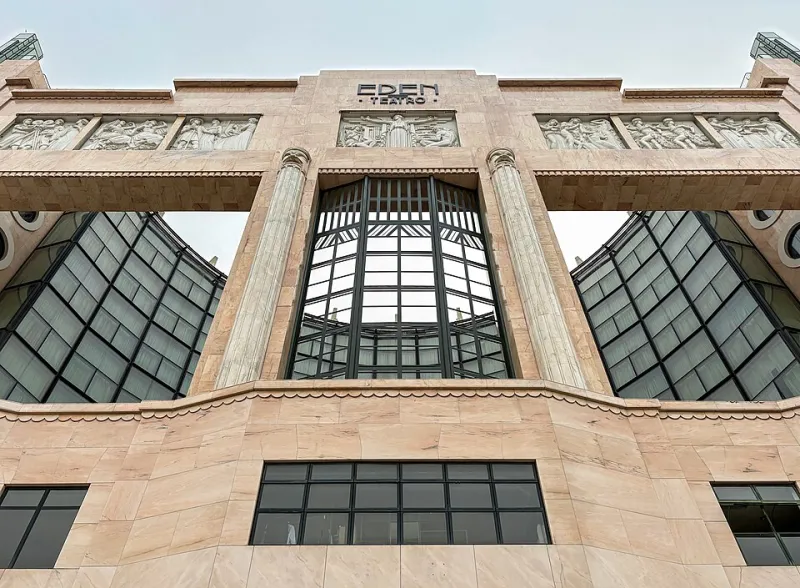
Photo: Dale Cruse - 10M views from San Francisco, CA, USA, CC BY 4.0, via Wikimedia Commons
Ask anyone in Rotherham old enough to remember the picture houses and you will get a different version of the same story. The names change depending on who is talking. The queue is always there. So is the ice cream, the usherette, the smell of cigarettes and the thrill of the lights going down on a Saturday afternoon.
Rotherham’s cinemas have mostly gone now. Some were demolished. Some became something else and then something else again. But they left a paper trail — adverts in old newspapers, building plans, rate books, photographs — and they left something less official: memories. That makes them perfect for a family learning project.
When the town went dark for the pictures
The picture house was not just a building. It was a fixture of the week. Saturday matinees gave children somewhere to be. Evening screenings gave couples somewhere to go. The cinema was warm, cheap and a bit glamorous, even when the film was a second feature nobody remembered afterwards.
In Rotherham, as in towns across South Yorkshire, the picture houses sat close to the places people already went: the market, the bus stops, the pubs, the shops. You did not necessarily plan a whole night out. You walked past, saw what was on and went in.
The old adverts are a delight because they are so direct. Double bills, serials, cartoon matinees, giveaways, late-night shows. A single advert can tell you what a family might have done on a wet Tuesday in the 1950s. It can also tell you what the cinema thought would sell.
Reading the buildings
Building records are less romantic but just as useful. They show conversions, extensions, new foyers, safety upgrades. Some picture houses began as something else — a hall, a chapel, a roller-skating rink — and were adapted. Others were built for the pictures and later turned into bingo halls or shops.
That is where the map becomes interesting. A family can take an old town map and a modern one, lay them side by side and start looking for gaps. Where did the cinema stand? What is there now? Is there a ghost sign, a blocked doorway or a roofline that gives the game away?
This is archive work with a bit of detective work thrown in. It suits children because it is concrete. You are not asking them to understand a century of entertainment history. You are asking them to find a building on a map and work out what happened to it.
The queue remembers
Oral histories fill in what the paper record cannot. Residents remember the queue stretching round the corner, the panic of losing your friends in the dark, the usherette with her tray, the boy who threw sweets. They remember first dates and last dates. They remember being told off for talking.
One memory often leads to another. A grandmother might not recall the name of the cinema, but she will remember what she wore. A grandfather might remember the film, but not who he took. These are the fragments that make local history feel like family history rather than a list of dates.
That is why the lost cinemas work so well as a conversation starter. They are specific enough to jog a memory but ordinary enough that almost everyone has one. You do not need to have been a film buff. You just need to have queued.
A map for the family table
In 2026, a family learning session on Rotherham’s lost picture houses could be as simple as a printed map, a few old adverts and a list of questions. Where did your family go to the pictures? What was the name of the cinema? What was showing? Who did you go with? What do you remember about the building?
Then mark the sites. Compare notes. Look at old photographs. Walk the streets if you can. The map becomes a record of memory as much as architecture.
The picture houses may have gone, but the stories have not. They are still in the archive, in the adverts and in the memories of the families who filled the stalls. A map is a good way to start finding them.